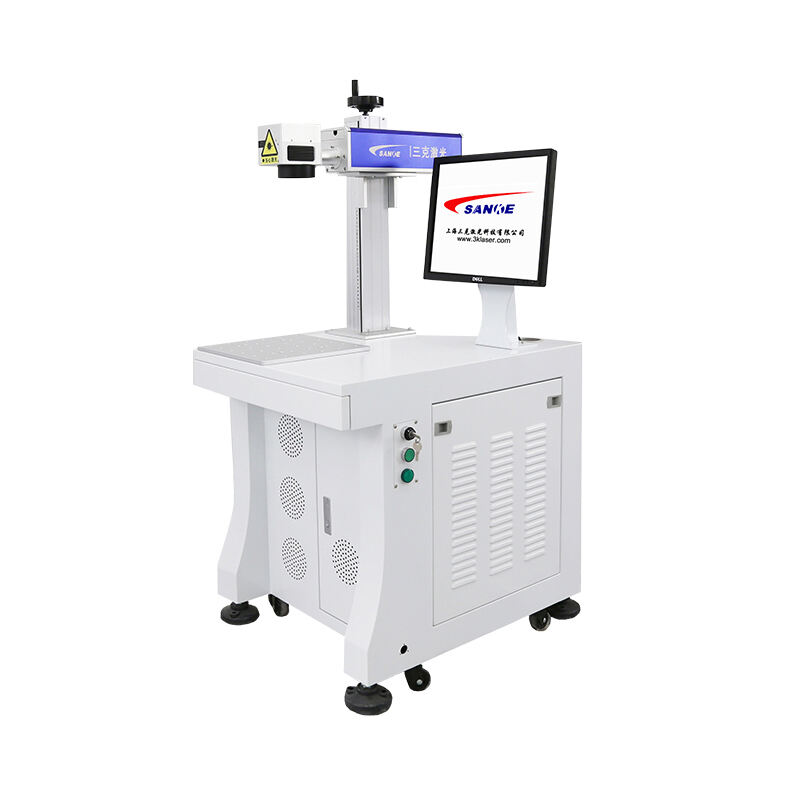
colour laser marking machine
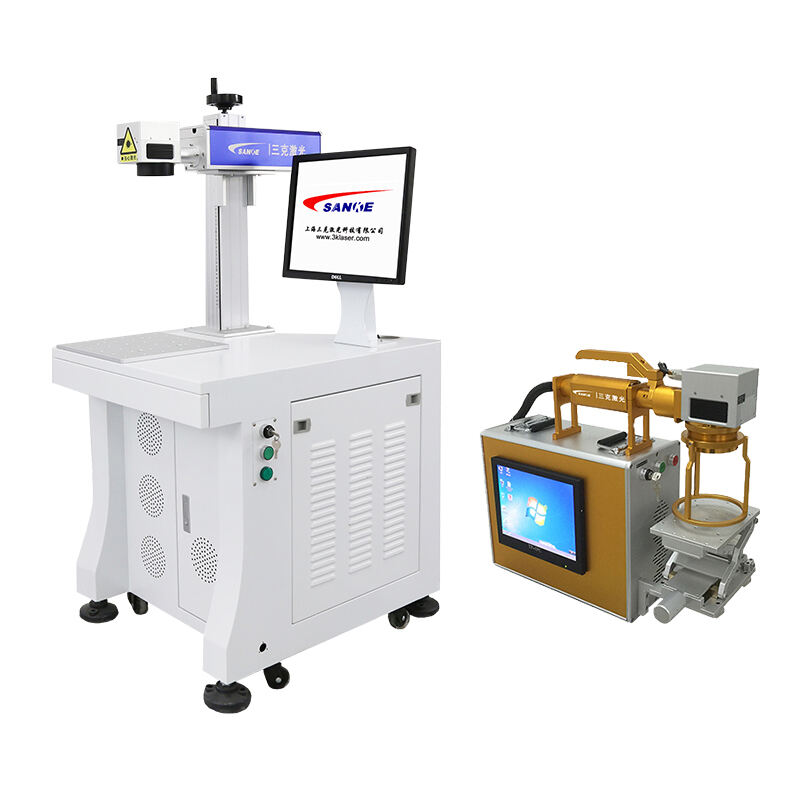
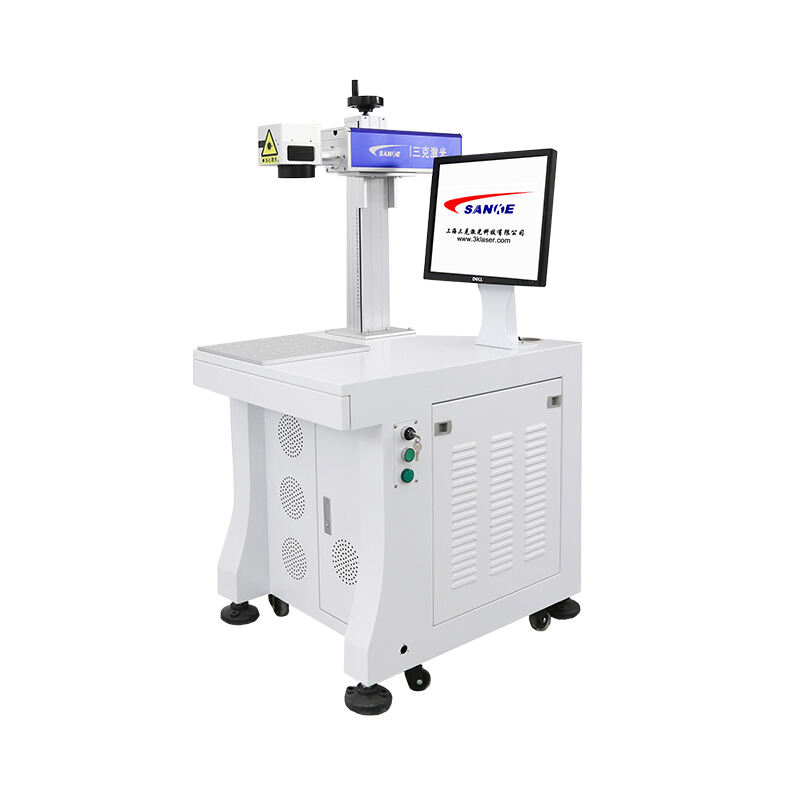
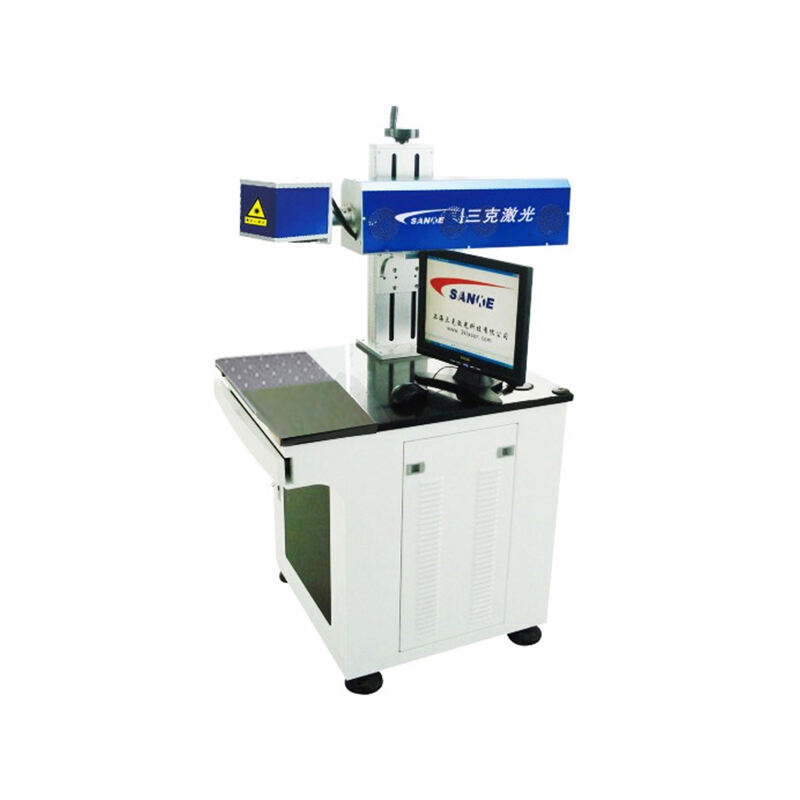
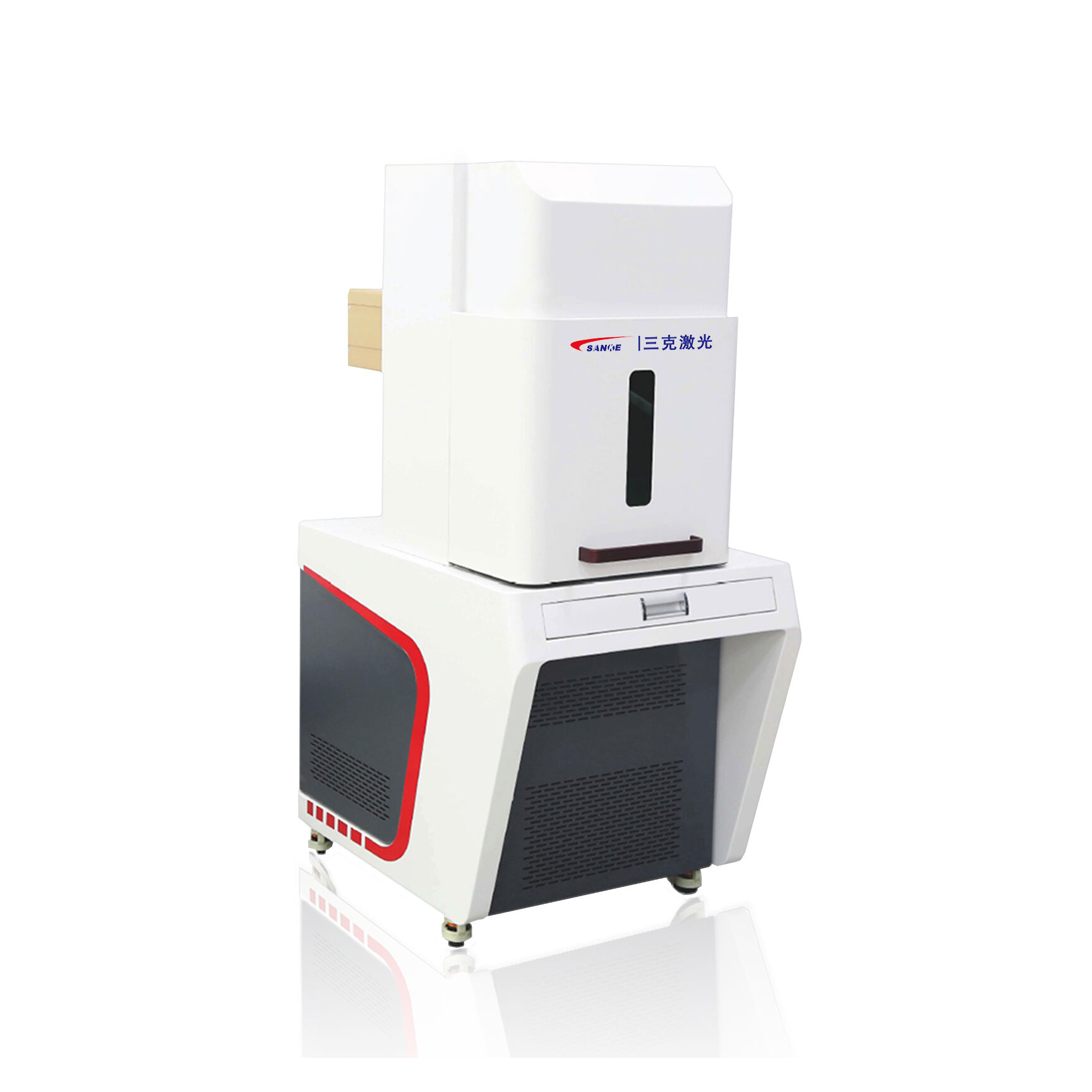
The colour laser marking machine represents a revolutionary advancement in industrial marking technology, combining precision engineering with innovative optical systems to deliver exceptional marking capabilities. This sophisticated equipment utilizes high-powered laser beams to create permanent, vibrant markings on various materials without requiring consumables like inks or chemicals. The colour laser marking machine operates through a complex process that involves precise laser control, enabling manufacturers to produce detailed graphics, text, logos, and intricate designs with remarkable accuracy. Modern colour laser marking machines incorporate advanced fiber laser technology, delivering consistent performance across extended operational periods. These systems feature computer-controlled positioning mechanisms that ensure exact placement of markings, making them indispensable for quality control and traceability applications. The colour laser marking machine supports multiple file formats, allowing seamless integration with existing design workflows and production systems. Temperature regulation systems maintain optimal operating conditions, ensuring consistent marking quality regardless of ambient environmental factors. Safety features include enclosed marking chambers, emergency stop mechanisms, and protective barriers that comply with international safety standards. The colour laser marking machine excels in creating permanent identification marks that resist fading, scratching, and chemical exposure. Advanced software interfaces provide intuitive operation, enabling operators to configure marking parameters, preview designs, and monitor production progress in real-time. These machines accommodate various material thicknesses and surface textures, from smooth metals to textured plastics. The colour laser marking machine delivers exceptional marking speed, significantly reducing production cycle times compared to traditional marking methods. Integration capabilities allow connection with automated production lines, quality management systems, and inventory tracking databases. Regular maintenance requirements are minimal, with most systems requiring only periodic lens cleaning and software updates to maintain peak performance.
 EN
EN
 AR
AR
 FR
FR
 DE
DE
 JA
JA
 KO
KO
 RU
RU
 ES
ES