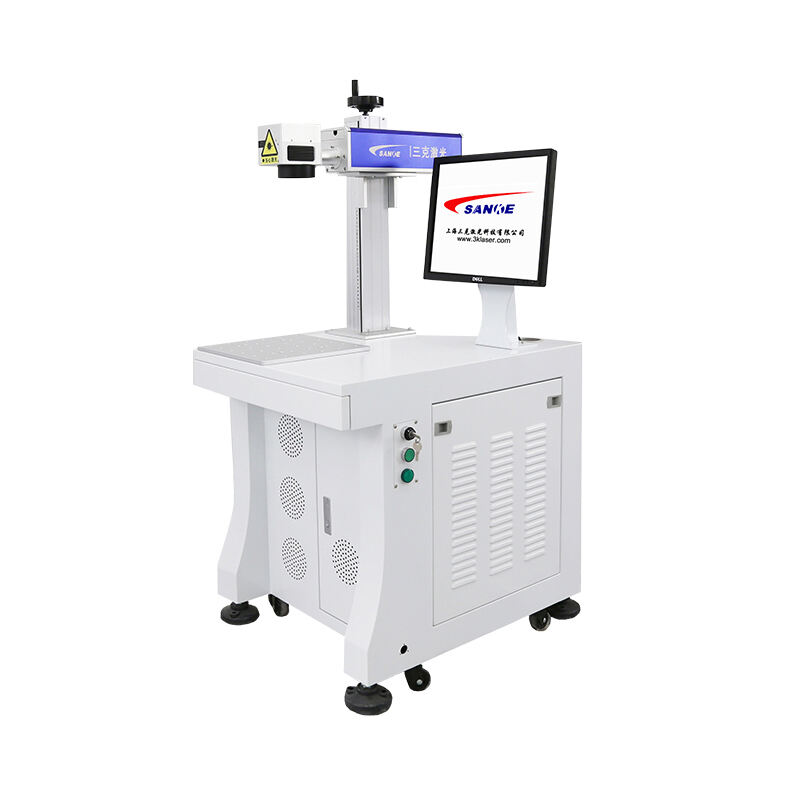
Versatile Applications and Material Compatibility
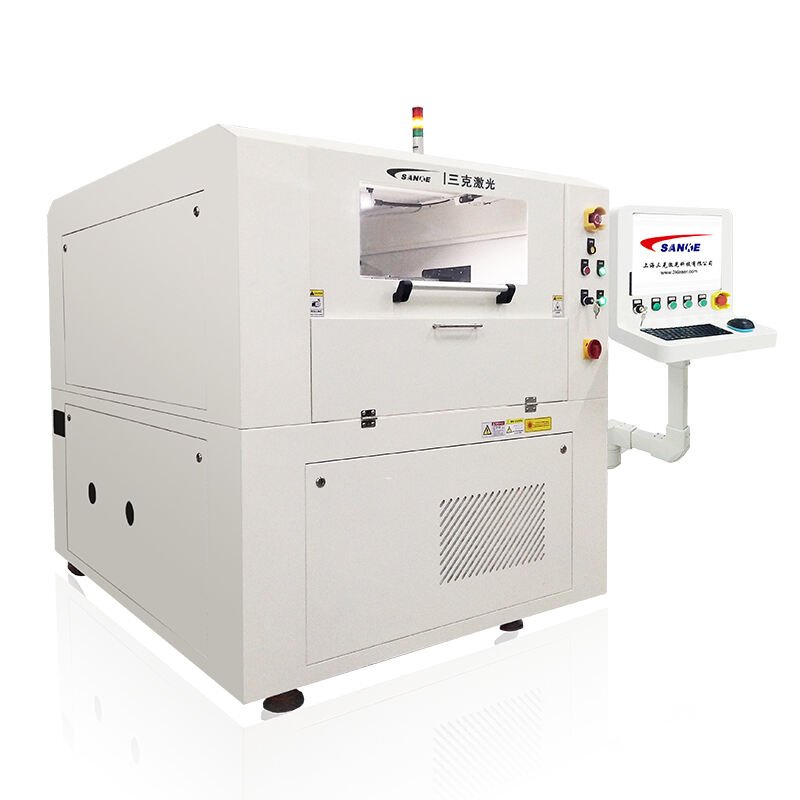
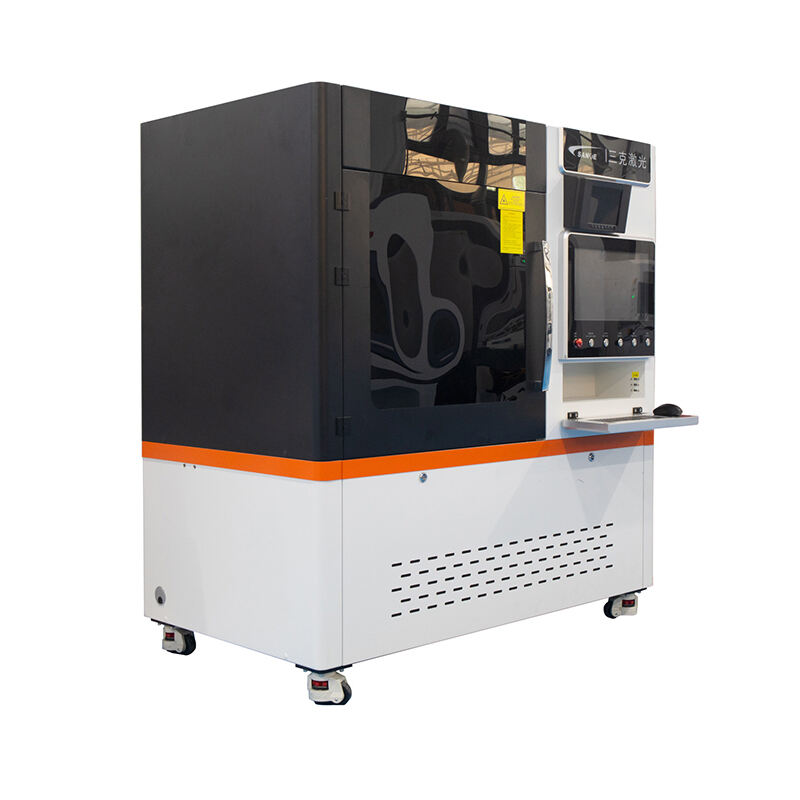
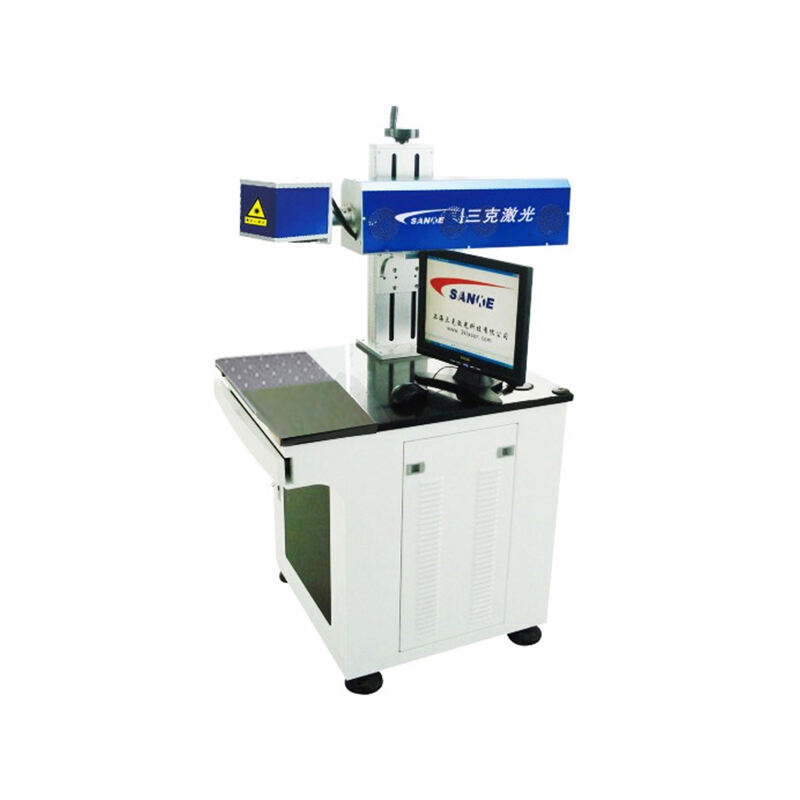
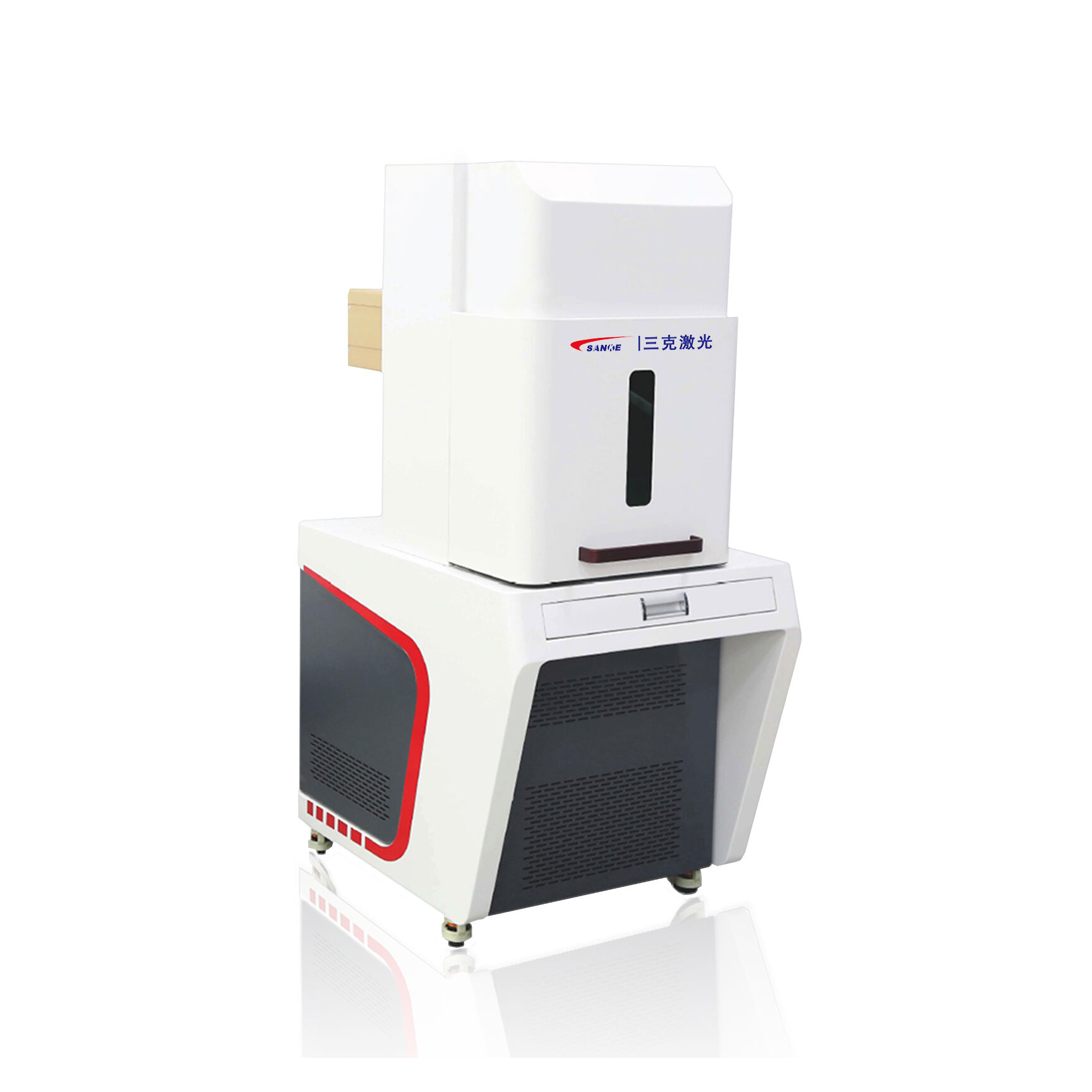
The remarkable versatility of laser metal marking machines encompasses an extensive range of materials and applications that make these systems invaluable across diverse manufacturing sectors and specialized industries. This advanced equipment successfully marks various metal types including stainless steel, aluminum, titanium, brass, copper, and specialized alloys used in aerospace and medical applications. The laser parameters can be precisely adjusted to accommodate different material properties, ensuring optimal mark quality regardless of surface hardness, composition, or finish characteristics. This material compatibility eliminates the need for multiple marking systems, reducing equipment investment and simplifying production processes. The application scope extends from micro-marking on electronic components measuring just millimeters to large-scale marking on industrial machinery and structural components. Automotive manufacturers utilize laser metal marking machines for engine component identification, chassis numbering, and safety-critical part traceability throughout the supply chain. Medical device producers rely on these systems for surgical instrument marking, implant identification, and regulatory compliance labeling that must withstand sterilization procedures. Aerospace applications include part numbering for aircraft components, maintenance scheduling codes, and quality assurance markings that support strict documentation requirements. The jewelry industry benefits from the precision capabilities for intricate design engraving and personalization services that add significant value to finished products. Industrial tool manufacturers use laser marking for size identification, safety warnings, and brand recognition that remains visible throughout the tool's operational life. The non-contact nature of laser marking enables processing of delicate components without risk of deformation or damage that might occur with mechanical marking methods. Complex geometries and curved surfaces present no obstacles because the laser beam can be precisely directed to any accessible area without requiring specialized fixtures or positioning equipment. The ability to create variable data markings supports serialization requirements, date coding, and batch identification that facilitates comprehensive traceability systems. This versatility, combined with the high-quality results and operational efficiency, positions laser metal marking machines as essential equipment for manufacturers seeking to enhance product identification capabilities while maintaining competitive production costs and meeting stringent quality standards.
 EN
EN
 AR
AR
 FR
FR
 DE
DE
 JA
JA
 KO
KO
 RU
RU
 ES
ES